
As people age, staying socially connected becomes more important than ever. Unfortunately, many older adults experience loneliness or reduced interaction with others. In fact, the risks connected to isolation can affect both emotional and physical health. Understanding the effects of isolation helps families make informed choices for loved ones.
At Seneca Senior Living in Verona, residents enjoy opportunities for friendship, wellness, and meaningful daily engagement. Community living can help seniors feel supported, active, and connected.
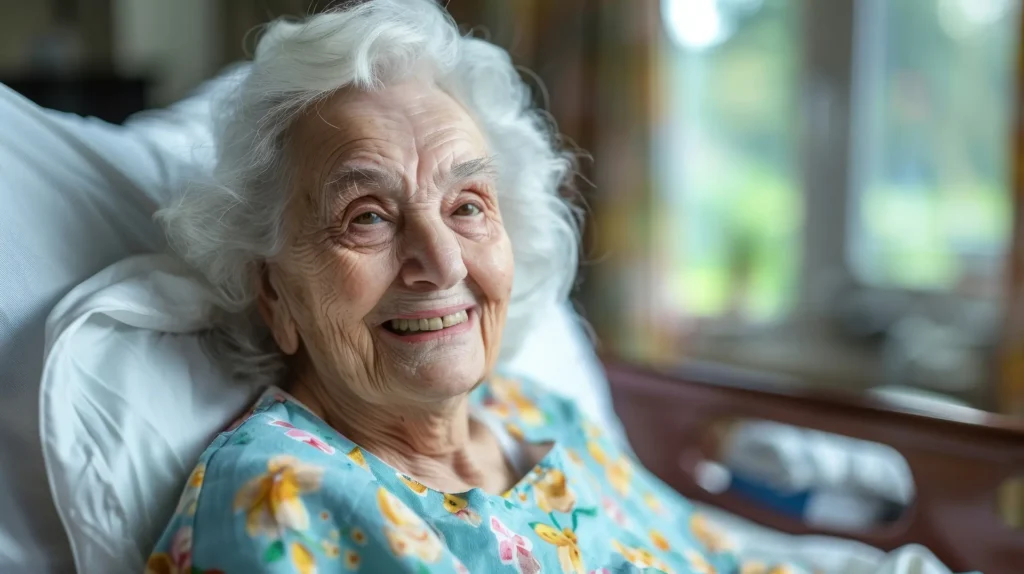
Understanding Senior Isolation Risks
The term “senior isolation risks” refers to the health concerns linked to loneliness and limited social interaction among older adults. Isolation may happen after retirement, the loss of a spouse, limited mobility, or health challenges. Over time, these situations can lead to emotional and physical decline.
According to the Centers for Disease Control and Prevention (CDC), social isolation is associated with increased risks of depression, dementia, heart disease, and anxiety.
In addition, loneliness can affect motivation and confidence. Seniors may stop participating in hobbies or avoid social activities altogether. As a result, overall well-being often declines.
The Mental Health Impact of Isolation
Mental health plays a major role in healthy aging. However, isolation can negatively affect mood, memory, and emotional balance. Seniors who spend too much time alone may experience sadness, stress, or feelings of hopelessness.
Furthermore, loneliness may increase the risk of cognitive decline. Research from the National Academies of Sciences, Engineering, and Medicine shows that social isolation is a serious public health concern for older adults.
Caregivers should watch for warning signs such as:
- Withdrawal from family or friends
- Loss of interest in activities
- Changes in eating or sleeping habits
- Increased confusion or forgetfulness
- Mood swings or irritability
Early support can make a meaningful difference.
How Community Living Encourages Social Engagement
Senior living communities offer more than housing. They create environments where residents can build friendships and enjoy daily interaction. This social engagement often improves confidence, happiness, and overall health.
At Seneca Senior Living, residents can participate in group activities, shared dining experiences, wellness programs, and community events. These opportunities help reduce feelings of loneliness while encouraging independence.
Additionally, caregivers often feel peace of mind knowing loved ones have regular companionship and support nearby. Simple daily conversations and shared experiences can greatly improve quality of life.
Practical Ways Seniors Can Stay Connected
Even small social habits can improve emotional wellness. Seniors and families can try several simple strategies:
- Schedule regular family visits or phone calls
- Join local clubs or hobby groups
- Participate in exercise or wellness classes
- Attend community events and social gatherings
- Explore volunteer opportunities
The National Institute on Aging resource on loneliness and social isolation also provides helpful tips for older adults and caregivers seeking additional support.
Building a Healthier Future Through Connection
Isolation does not have to define the aging experience. With the right support system, seniors can enjoy fulfilling relationships, engaging activities, and a stronger sense of purpose.
Community living helps older adults stay socially active while supporting emotional and physical wellness. For families exploring senior living options, connection and companionship should remain top priorities.
To learn more about supportive senior living in Verona, Pennsylvania, contact Seneca Senior Living or call (412) 797-6801 today.